
Our Bookkeeping Guide On Why It Matters To Every Business
Every business, no matter how big or small, needs a clear system for tracking money. Without it, important business transactions get lost, financial data becomes unreliable, and planning for the future turns into guesswork. Bookkeeping is the method that ensures every entry, from sales invoices to supplier payments, is recorded and stored properly.
For small businesses, bookkeeping can mean the difference between struggling at tax time and feeling confident when preparing financial statements. It also helps employers avoid mistakes that can creep in when dealing with daily business transactions, ensuring you know exactly where your money is going.
Bookkeeping
At its core, bookkeeping is about creating a reliable financial data record of all the money coming in and out of your company. It’s the practice of recording transactions in a way that makes sense at the end of the accounting period.
A skilled bookkeeper ensures every entry is complete, the date is correct, and the records can be used later for decision-making and business payments.
Financial Transactions

Financial transactions are the lifeblood of any business. These include client invoices, supplier bills, receipts, rent, and payroll. Recording them accurately ensures your business finances are under control.
Without consistent tracking, it’s impossible to produce reliable financial statements like the balance sheet or loss account, or to monitor your overall revenue and profit.
Recording Financial Transactions
Recording financial transactions is a key part of the bookkeeping process. Each journal entry captures details such as the amount, the date, the type of expense or income, and which ledger accounts are affected.
Modern software has made this easier for bookkeepers, reducing the reliance on simple calculations done by hand. Yet the principle hasn’t changed. Accuracy is essential for ensuring accuracy across all your company records.
Financial Reporting
Once transactions are recorded, they feed into financial reporting. This involves pulling together your financial records to create clear documents such as the balance sheet, trial balance, and profit and loss account.
Preparing financial reports regularly allows business owners and accountants to make better choices, from controlling expenses to planning for growth.
Accounts Receivable
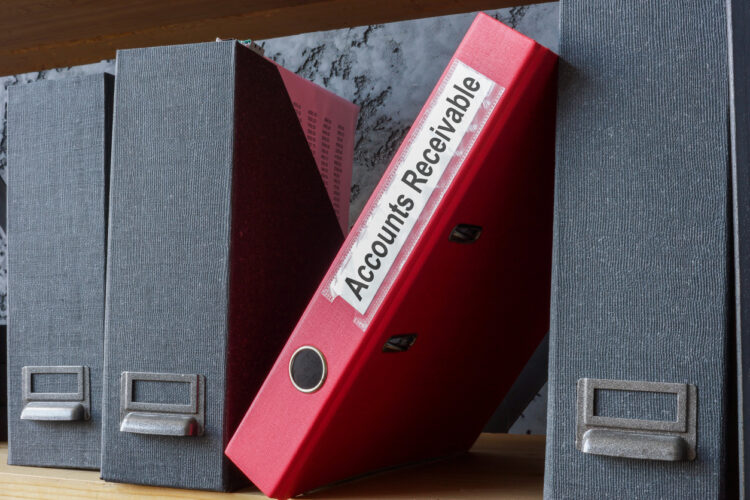
Accounts receivable represent the money your customers owe you. Recording this information accurately ensures you can follow up on late payments and keep cash flow steady.
If receivables are neglected, money in your bank never arrives, leaving you struggling to cover your bills. Tracking receivables is one of the most critical tasks in bookkeeping.
Accounts Payable
Accounts payable are as important as the amounts your company owes to suppliers, service providers, or employers. Good bookkeeping ensures you don’t miss deadlines, avoiding penalties or damage to supplier relationships.
Balancing payables with receivables, businesses maintain healthier finances and avoid unnecessary stress.
Small Businesses
For small businesses, bookkeeping can feel like a full-time job in itself. With fewer staff, owners often take on this responsibility, learning to manage records, check bank statements, and prepare tax returns.
However, small businesses that keep their books updated benefit in many ways. They can spot trends in revenue, avoid missing essential jobs and tasks like reconciling accounts, and build stronger relationships with banks and lenders.
Bank Reconciliation
One of the most valuable bookkeeping checks is bank reconciliation. This means comparing your bank statements with your internal records to confirm they match.
Reconciling ensures that transactions are complete and correct. It also provides a built-in quality check, making it easier to catch errors or fraudulent activity.
Financial Records
Accurate financial records are vital for compliance, planning, and growth. They act as a history of your business and provide the foundation for everything from tax returns to investor applications.
Losing track of records or failing to update them can lead to penalties and missed opportunities. On the other hand, well-kept records help create confidence among lenders and support smoother audits.
Entering Data
Entering data is one of the everyday tasks in bookkeeping. This includes inputting invoices, logging receipts, and capturing figures for expenses and payroll.
Even with automation, the bookkeeper is responsible for ensuring the data is correct. One wrong number can affect the trial balance or distort the financial information presented to decision-makers.
Double Entry Bookkeeping
Most businesses rely on double-entry bookkeeping. Every transaction is entered twice. Once as a debit and once as a credit across corresponding ledger accounts.
This process ensures your company’s financial records are always complete, making it easier to create financial statements without errors.
The Bookkeeping Process in Action
A typical bookkeeping process involves recording daily transactions, checking them against bank statements, and updating the books using recorded journal entries.
At the end of each accounting period, the trial balance confirms that everything lines up, giving the accountant confidence to prepare company financial reports such as the balance sheet or loss account.
Why Choose M Wasley Chapman?
At Wasley Chapman, we’ve been helping businesses manage their books since 1918. Our professional experience covers everything from helping small start-ups with entering data to guiding established firms through complex compliance.
We use modern tools but never lose sight of the basics: complete records, accurate figures, and advice you can trust. Our clients across North Yorkshire rely on us to handle the bookkeeping process, freeing them to focus on running their businesses.
Practical Bookkeeping Tips
Even if you outsource your bookkeeping, a few habits will make the job easier:
- Keep business and personal accounts separate.
- Review your financial information regularly to stay on top of profit and expenses.
Maintaining consistency makes it easier for your bookkeeper or accountant to create accurate reports when needed.
Take Control of Your Business Finances
Bookkeeping is key to running a successful company. By tracking transactions, checking bank statements, recording every journal entry, and maintaining accurate financial records, you give yourself the tools to make informed decisions.
Want support with bookkeeping? Contact M Wasley Chapman today to learn how we can help you prepare reports, manage records, and move forward confidently.
